Upgrading Your Home Today to Reduce Maintenance Costs Tomorrow
Homeownership is often described as a journey, but without a proactive strategy, that journey can feel like a relentless march from one expensive repair to the next. The traditional approach to home maintenance is reactive: we wait for the faucet to leak, the shingles to blow off, or the heater to quit in the dead of January before we take action. However, there is a more sophisticated way to manage a property. By investing in strategic upgrades and modernizing core systems, you can effectively “engineer out” the most common maintenance headaches.
A 3,000-word deep dive into home preservation reveals a singular truth: the cheapest repair is the one you never have to make. Transitioning from a reactive mindset to a preventative one requires looking at your home as a series of interconnected systems. When one system—like your exterior drainage—fails, it inevitably puts stress on another, such as your foundation or your flooring.
In this guide, we will explore how high-quality materials, professional installations, and smart technological updates create a “low-maintenance” ecosystem. We will break down the home into its primary defensive layers and mechanical cores, providing actionable advice on how to spend your budget now to save five times that amount over the next decade.
Fortifying the Exterior Shield
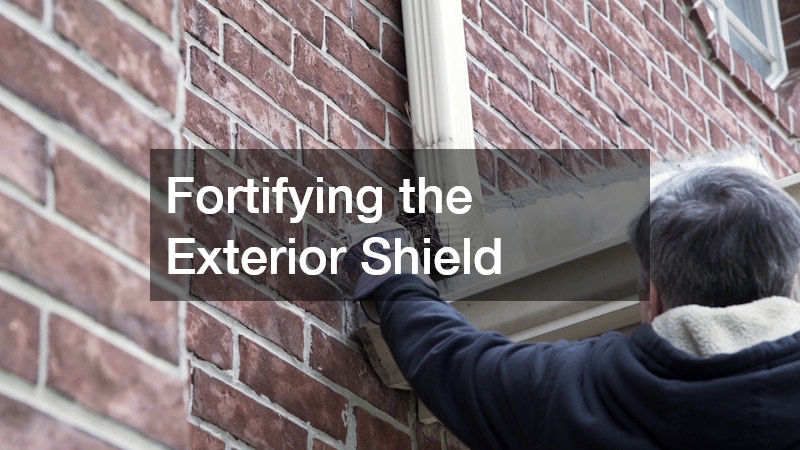
The exterior of your home is the first line of defense against the elements. Water is the primary enemy of any structure; it rots wood, erodes foundations, and invites mold. To reduce long-term maintenance, you must ensure that your home’s “envelope” is impenetrable and sheds water efficiently.
High-Performance Roofing and Drainage
Most homeowners view a roof as a static object, but it is actually a complex ventilation and shedding system. Upgrading to architectural shingles or metal roofing doesn’t just improve aesthetics; it significantly extends the interval between necessary inspections. A reputable roofing company can install advanced underlayments and ice-and-water shields that standard builders-grade projects often omit.
- Drip Edge Installation: Ensure your roof has a wide drip edge to push water into the gutters rather than allowing it to wick back into the fascia boards.
- Seamless Gutter Systems: Moving from sectional gutters to seamless aluminum or copper reduces the number of joints that can leak and sag over time.
Weather-Resistant Siding and Trim
The materials cladding your home dictate how many weekends you will spend painting or power washing. Transitioning from wood siding to fiber cement or high-grade vinyl can eliminate the need for repainting every five years. Working with experienced siding contractors allows you to implement “rain screen” technology, which creates a small gap between the siding and the house wrap, allowing moisture to escape rather than becoming trapped against the frame.
- PVC Trim Boards: Replace wooden window sills and corner boards with cellular PVC. It looks like wood but is impervious to rot and insects.
- Automated Caulking Inspections: While the materials might last 30 years, the sealant at the joints does not. Use high-grade silicone-polyurethane hybrids for a longer-lasting seal.
Precision Climate Control and Air Quality
Your HVAC system is likely the most expensive mechanical component of your home. It is also the one most prone to failure due to neglect. Maintenance savings in this category come from two directions: reducing the load on the system and ensuring the machinery is operating at peak efficiency.
Reducing Mechanical Strain
The harder your system has to work to reach a set temperature, the faster its components will degrade. Upgrading your attic insulation to an R-Value of 49 or 60 significantly reduces the number of cycles your heater must run. When the system does run, it should do so without resistance. This is why regular furnace repair is vital; a technician can identify a failing capacitor or a frayed belt before it causes a total blower motor failure.
Professional System Audits
Many homeowners ignore their climate systems until they stop working. However, the most successful property managers know that data is the best tool for saving money. Reliable HVAC companies offer diagnostic services that check refrigerant levels and electrical draw. A system that is low on refrigerant runs longer and hotter, which leads to premature compressor failure—a repair that often costs as much as a new unit.
- Media Filter Upgrades: Switch from standard 1-inch filters to 4-inch pleated media filters. They provide better filtration and only need to be changed every six to twelve months, reducing the risk of dust buildup on sensitive internal coils.
- Smart Zoning: Implementing a dampener system allows you to heat or cool only the rooms you are using, drastically cutting the total hours of operation for the main unit.
Modernizing Cooling Infrastructure
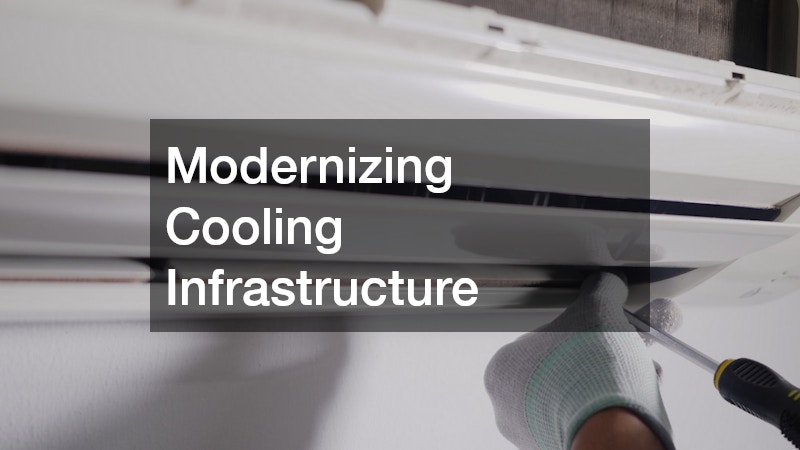
As global temperatures fluctuate, the cooling system has become a primary focus for homeowners looking to stabilize their utility and maintenance budgets. Older units are not only inefficient but often use phased-out refrigerants that are becoming prohibitively expensive to replace.
The Shift to High-Efficiency Cooling
Modern cooling technology has moved toward variable-speed compressors. Unlike traditional “on/off” systems, these units ramp up and down smoothly. This reduces the “starting torque” on electrical components, which is when most wear and tear occurs. When planning a new air conditioning installation, it is crucial to size the unit correctly. An oversized unit will “short cycle,” turning on and off rapidly, which destroys the motor and leaves the home humid.
- Condenser Protection: Place your exterior unit on a raised, level pad away from dryer vents and falling debris to prevent coil clogs.
- Clearance Management: Ensure there is at least two feet of clear space around the unit to allow for optimal airflow and easier access for technicians.
Proactive Replacement Strategies
There is a “sweet spot” for replacement—usually between years 12 and 15 for a standard AC unit. Waiting for a catastrophic failure in the middle of a July heatwave usually results in paying a premium for whatever unit is in stock. By scheduling the upgrade during the shoulder seasons (spring or fall), you can negotiate better rates and choose the most reliable, low-maintenance models.
Managing the Landscape and Living Assets
Your yard is more than just curb appeal; it is a living environment that can either protect or destroy your home’s infrastructure. Maintenance savings here are found by controlling growth and managing how the landscape interacts with the house.
Strategic Vegetation Management
Trees are beautiful, but their roots can crush sewer lines and their limbs can puncture roofs. Large, overhanging branches drop debris into gutters, leading to clogs that cause basement flooding. Investing in professional tree services to prune deadwood and remove high-risk “widow-makers” is a fundamental safety and maintenance step.
- Root Barrier Installation: If you have trees near your driveway or foundation, installing a physical root barrier can prevent the pavement from heaving.
- Xeriscaping: In drier climates, replacing thirsty lawns with native plants and rock mulch reduces the need for expensive irrigation systems that require constant winterization and leak repair.
Grade and Drainage Optimization
Water should never sit against your foundation. Over time, soil settles, creating “negative grade” where water flows toward the house. Correcting this involves adding clean fill dirt and compacting it to ensure a slope of at least one inch per foot away from the walls.
Hardscaping for Permanent Durability
The surfaces surrounding your home—driveways, walkways, and patios—are subjected to immense pressure and freeze-thaw cycles. Cheap installations lead to cracking, potholes, and tripping hazards that require constant patching.
Long-Term Pavement Solutions
For driveways, the choice of material dictates the maintenance schedule. Asphalt is flexible but requires seal coating every few years. If you choose this route, hiring a professional paving company ensures the sub-base is compacted correctly. A thin or poorly prepared base is the primary cause of alligator cracking and sinkholes.
- Permeable Pavers: These allow water to filter through the joints into a stone reservoir below, preventing surface ice and reducing the load on your home’s drainage system.
- Edge Restraints: Always use heavy-duty edging for paver projects to prevent the perimeter from “creeping” outward over time.
Concrete and Structural Surfaces
For a truly “set it and forget it” walkway or patio, high-strength reinforced concrete is often the winner. However, concrete is only as good as its finish and its joints. A specialized concrete service will include expansion joints that dictate where the concrete will crack (because it always does), ensuring those cracks remain invisible and structural.
- Penetrating Sealers: Unlike topical sealers that peel, penetrating sealers soak into the pores of the concrete to protect it from salt and moisture from the inside out.
- Rebar vs. Mesh: Ensure your slabs are reinforced with rebar rather than thin wire mesh for better resistance to heavy loads.
Preserving the Masonry and Foundation
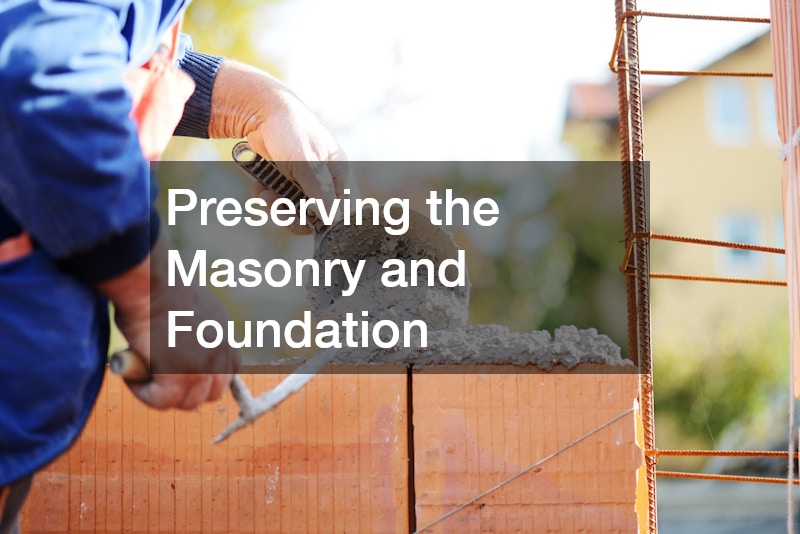
The “bones” of your home—the brickwork, stone, and foundation—require specialized care. Once these elements begin to fail, the costs move from the hundreds to the tens of thousands.
Structural Brick and Stone Care
Masonry is incredibly durable, but the mortar joints between the stones are sacrificial. They are designed to be softer than the brick so that they weather first. If you notice mortar crumbling or “popping” out, it is time for tuckpointing. Ignoring this allows water to enter the wall, which will freeze and eventually crack the bricks themselves. High-quality masonry work ensures that the new mortar matches the strength and breathability of the original.
- Chimney Caps: A simple stainless steel cap prevents rain from eroding the interior of your flue and firebox.
- Weep Hole Maintenance: Ensure the small gaps at the bottom of your brick walls remain clear; these allow moisture to escape from behind the facade.
Foundation Waterproofing
If your basement feels damp, the maintenance issue is likely on the outside. Modernizing your foundation protection involves more than just a coat of black tar. High-density polyethylene (HDPE) membranes create a permanent air gap between the wet soil and your walls, ensuring the basement stays dry and the sump pump rarely has to run.
Interior Resilience and High-Traffic Surfaces
Inside the home, maintenance is often a battle against wear, tear, and moisture. Choosing “commercial grade” residential products can make your interior almost bulletproof.
Durable Flooring Transitions
Carpeting is a maintenance liability; it traps allergens, stains easily, and requires professional cleaning. Switching to hard surfaces is the single best way to reduce interior upkeep. However, not all hard surfaces are equal. Natural stone requires sealing, and cheap laminate can swell if it gets wet. Professional flooring services can help you select and install Luxury Vinyl Plank (LVP) or porcelain tile, both of which are virtually impervious to water and scratches.
- Epoxy Garage Floors: Upgrading your garage floor with a polyaspartic or epoxy coating prevents oil stains and makes the space as easy to clean as a kitchen.
- Flush Transitions: Eliminating “transition strips” between rooms not only looks better but removes a common point where flooring edges can chip or snag a vacuum.
Moisture-Proofing Wet Areas
Bathrooms and kitchens are the source of most interior maintenance calls. Upgrading to a “curbless” shower with a continuous waterproof membrane (like those from Schluter) prevents hidden leaks that rot floor joists.
- Quartz vs. Marble: Quartz countertops provide the look of stone without the porous nature that leads to staining and the need for annual sealing.
- Touchless Faucets: Reducing the physical handling of plumbing fixtures leads to fewer leaks at the handle base and less grime buildup.
The Economics of Preventative Maintenance

To truly understand why these upgrades matter, we must look at the “Total Cost of Ownership.” A standard 15-year-old water heater might cost $1,500 to replace today. If you wait for it to burst, you are looking at the $1,500 replacement, plus a $1,000 insurance deductible, plus the headache of mold remediation and damaged drywall.
By proactively upgrading to a tankless system or a high-efficiency heat pump water heater, you eliminate the “tank burst” risk entirely while lowering your monthly energy bill. This logic applies to every section discussed above.
Creating a Maintenance Reserve
Financial experts recommend setting aside 1% of your home’s value annually for maintenance. However, by performing the upgrades listed in this guide, you can often drop that requirement to 0.5%, allowing the remaining funds to be reinvested into further value-adding renovations like kitchen remodels or deck additions.
The path to a low-maintenance home isn’t found in a single “magic” product. It is found in the cumulative effect of dozens of small, high-quality decisions. It is the choice to use a stainless steel screw instead of a galvanized one; the choice to buy the 30-year shingle instead of the 20-year one; and the choice to call a professional for an inspection before something breaks.
By focusing on the integrity of your home’s exterior, the efficiency of your mechanical systems, and the durability of your interior finishes, you transform your house from a liability into a fortress. You stop “spending” money on your home and start “investing” in it. The result is a property that holds its value, costs less to operate, and—most importantly—gives you your weekends back.