
Home Improvements That Support Long-Term Property Value
A home is more than a place to live. It is a substantial financial commitment that requires attention to remain comfortable, functional, and appealing. Materials age, household needs change, and outdoor conditions affect everything from roofing to plumbing. Thoughtful improvements can address those challenges while helping owners preserve the qualities that make their property useful over time. The most effective projects begin with an understanding of what the home needs, rather than a desire to follow every new design trend.
Long-term property value depends on several factors, including location, market conditions, maintenance history, and the condition of individual features. No renovation can guarantee a particular increase in resale price. However, maintaining systems, correcting developing problems, and choosing durable upgrades can reduce avoidable deterioration and improve the experience of living in the home. A practical improvement plan balances urgent repairs with projects that enhance efficiency, appearance, and convenience. The following areas offer a useful framework for making decisions that serve both current occupants and future buyers.
Addressing Roofing Problems Before They Spread
A roof protects the structure, insulation, and interior finishes beneath it. When shingles loosen, flashing fails, or water collects near vulnerable areas, moisture can move into places where damage is difficult to see. Small leaks may eventually affect ceilings, framing, or stored belongings, creating expenses beyond the roofing problem. Visual checks from the ground and professional inspections when warning signs appear can help homeowners identify concerns before they expand.
Effective roof repair starts with understanding the source of the problem. A stained ceiling does not always reveal where water entered, because moisture can travel along framing before becoming visible indoors. Roofing professionals may assess shingles, ventilation components, flashing, and drainage conditions to determine which areas require attention. Repairs should address underlying causes rather than simply conceal surface damage.
Homeowners can also support roof performance by keeping gutters clear, monitoring overhanging branches, and looking for visible changes after severe weather. These tasks are important when an older roof approaches the end of its expected service life. In some situations, repeated repairs may no longer be economical, making a broader replacement discussion appropriate. Documenting inspections, repairs, and materials can also create a useful maintenance record. Consistent care demonstrates that the home has received attention and helps prevent roofing issues from undermining other improvements.

Improving Comfort Through Heating and Insulation
Indoor comfort influences how people experience a property throughout the year. Rooms that feel hot, cold, or drafty may indicate problems with heating and cooling equipment, insulation, air leakage, or several conditions working together. Evaluating these elements as a connected system can be more productive than replacing equipment without investigating the home’s performance.
HVAC services help keep heating and cooling systems operating as intended. Depending on the equipment, maintenance may include examining electrical connections, checking airflow, cleaning accessible components, and identifying parts that show signs of wear. Homeowners can also replace or clean filters according to manufacturer recommendations and keep supply vents unobstructed. A qualified professional can explain whether an aging system needs adjustments, repairs, or eventual replacement.
Insulation deserves similar consideration because conditioned air is valuable only when a building can retain indoor temperatures effectively. Spray foam insulation services may be appropriate for selected spaces where air sealing and insulation are both priorities, although suitability depends on the building assembly, moisture conditions, and local requirements. Alternative insulation materials may be preferable in different situations. Before installation, contractors should investigate water intrusion and ventilation needs rather than covering existing problems. By evaluating equipment performance and the building envelope together, owners can make improvements that support consistent temperatures, reduce unnecessary energy use, and offer lasting comfort without relying on cosmetic changes alone.
Modernizing Plumbing and Electrical Systems
Some of the most consequential home improvements are nearly invisible once completed. Water supply lines, drains, wiring, and electrical panels support ordinary routines, yet their condition is often overlooked until something stops working. A dripping connection, recurring drain backup, or frequently tripped breaker may seem minor, but each can signal a problem that deserves investigation. Addressing these concerns promptly helps limit inconvenience and possible property damage.
A local plumbing company can evaluate plumbing fixtures, exposed piping, drainage performance, and signs of leaks. Homeowners planning renovations may also need advice about moving fixtures, replacing worn supply lines, or ensuring that existing plumbing can support new appliances. Because plumbing requirements vary by location, project planning should account for applicable codes and permits. Keeping accessible shutoff valves identified and knowing how to stop water during an emergency are useful steps regardless of renovation plans.
Electrical services are equally important when households add equipment, remodel rooms, or notice unusual behavior from outlets and switches. Licensed electricians can assess whether circuits, grounding, protective devices, and panel capacity suit the intended use. Homeowners should avoid opening electrical panels or attempting unfamiliar wiring work themselves. When plumbing and electrical upgrades are coordinated before walls are finished, contractors can often avoid unnecessary demolition and scheduling conflicts. Improvements to these fundamental systems may not be immediately visible during a showing, but they help maintain the home’s usefulness, safety, and readiness for future changes.

Making Kitchens Work Better Every Day
Kitchens carry considerable responsibility in a household. They support meal preparation, cleaning, storage, conversation, and sometimes remote work or school activities. A kitchen that looks appealing but lacks adequate workspace can become frustrating, while a modest room with a practical layout may serve its occupants well. Updating a kitchen should therefore begin with an assessment of how the space functions.
Kitchen cabinets are a natural starting point because they influence storage capacity, circulation, and the room’s overall appearance. Before replacing them, homeowners should inspect cabinet boxes, hinges, drawer mechanisms, and available storage. Sound cabinets may benefit from new hardware, refinishing, or improved interior organizers. Damaged or poorly arranged cabinetry, however, may justify a more extensive redesign. Thoughtful storage for frequently used items can make cooking and cleanup easier without increasing the room’s footprint.
Other choices should support the same practical goals. Countertops need to suit daily habits, lighting should illuminate work areas, and appliances should fit comfortably within the layout. Contractors must consider existing plumbing and electrical connections when changing cabinet positions or adding equipment. Selecting finishes solely because they are fashionable can lead to unnecessary spending or premature dissatisfaction. Neutral, adaptable materials are often easier to coordinate with future updates. By investing in usability, solid construction, and manageable maintenance needs, homeowners can create kitchens that remain appealing long after an initial renovation is complete.
Selecting Finishes That Handle Daily Wear
Flooring affects the appearance of a room, but it also determines how a surface responds to moisture, foot traffic, cleaning, and changing household activities. A beautiful material can become a poor investment when it is installed in the wrong setting. Homeowners should compare options according to durability, maintenance requirements, comfort, and the condition of the subfloor instead of focusing only on color or initial cost.
Tile flooring can be especially practical in kitchens, bathrooms, mudrooms, and other areas where spills and tracked-in moisture are common. Ceramic and porcelain products come in many sizes and finishes, allowing homeowners to create different styles without sacrificing basic practicality. However, tiles vary in slip resistance, water absorption, and suitability for specific locations. Product specifications and professional installation guidance should inform the final selection.
Preparation is just as important as the visible finish. An uneven or unstable subfloor can contribute to cracking, while improper waterproofing in wet areas can allow damage beneath the surface. Grout, movement joints, underlayment, and transitions to adjacent rooms all require attention during installation. Owners should also consider how easily a surface can be cleaned and whether it feels comfortable underfoot. A cohesive flooring plan can make connected rooms appear more intentional, but matching materials everywhere is not necessary. Choosing finishes appropriate for each space helps protect the investment and reduces the likelihood of avoidable repairs or early replacement.

Evaluating Windows for Performance and Appearance
Windows influence natural light, ventilation, exterior appearance, and indoor comfort. They also create points where heat, air, or moisture may move through the building envelope if components are damaged or poorly installed. Drafts, condensation between panes, difficult operation, and deteriorating frames are reasons to investigate a window’s condition. Some problems can be repaired, while others may call for a larger update.
Window replacement should follow an assessment of the existing units and surrounding walls. A window that leaks during rain may have a flashing or siding problem rather than a defect in the glass itself. Similarly, surface condensation can reflect indoor humidity conditions, not necessarily failed glazing. Understanding the cause helps owners avoid paying for new windows that do not solve the original complaint.
When replacement is appropriate, product selection should consider climate, energy performance ratings, maintenance needs, ventilation, and the home’s architectural character. Proper measuring, flashing, sealing, and integration with adjacent materials are essential to lasting results. Homeowners may also want to consider ease of cleaning, accessibility, and the placement of furniture before choosing operating styles. Consistent trim and thoughtful proportions can refresh a facade without overwhelming its design. Windows represent a substantial purchase, so comparing installation details and long-term maintenance requirements is often more useful than choosing solely by advertised savings or appearance.
Expanding Usable Space Outdoors
Outdoor areas can extend a home’s functionality by offering room for dining, relaxing, gardening, and gathering with others. Their value comes from how comfortably and reliably they support these activities, not simply from the amount of space they occupy. A small, well-planned seating area may be more useful than a large structure that receives little attention. Owners should think about sunlight, privacy, accessibility, and the relationship between indoor rooms and outdoor circulation.
Deck installation is one way to establish a defined outdoor living area, especially where a raised surface can connect the house to the yard. Before building, homeowners need to evaluate site conditions, structural requirements, drainage, and applicable permits. Materials differ in cost, appearance, maintenance, and how they respond to weather. Natural wood may require periodic refinishing, while composite products have their own cleaning needs and installation requirements. No material eliminates the need for inspections and routine care.
A successful design also considers railings, stairs, lighting, and safe access to other areas of the property. Furnishings should fit without obstructing movement, and drainage should direct water away from vulnerable building components. Homeowners who expect to entertain may prioritize seating and shade, while others may prefer space for quiet activities. By matching the deck’s size and features to actual routines, owners can create an outdoor improvement that remains useful rather than becoming an expensive feature maintained mainly for appearances.
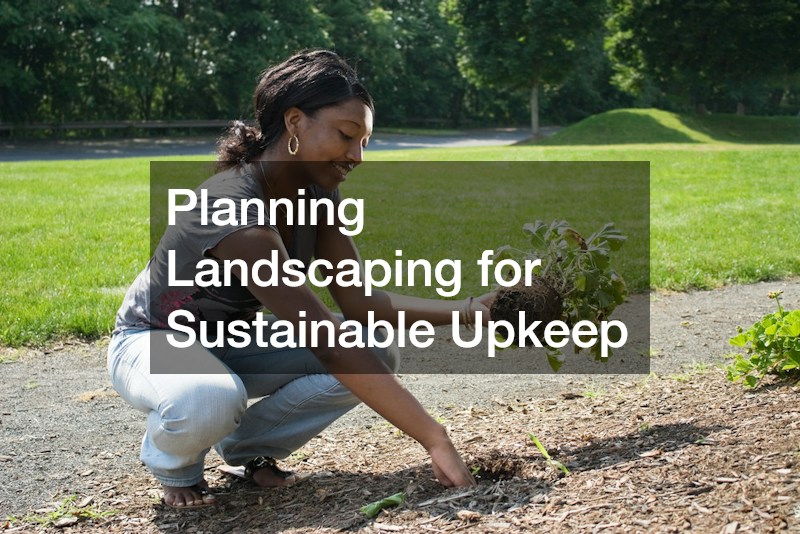
Planning Landscaping for Sustainable Upkeep
The yard forms an important part of a property’s first impression, but attractive landscaping should also be manageable over time. Overgrown shrubs, standing water, and poorly positioned trees can complicate maintenance or affect nearby structures. On the other hand, thoughtful plant placement, clear pathways, and healthy soil can help outdoor spaces feel organized and inviting. A landscape plan should reflect the property itself, local growing conditions, and the owner’s ability to provide ongoing care.
Professional landscaping services may help with site evaluation, grading considerations, plant selection, drainage solutions, and ongoing maintenance plans. Choosing species suited to the local climate can reduce unnecessary watering and replacement. Planting mature trees too close to buildings or installing beds against vulnerable siding may create complications later, so spacing deserves careful attention. Paths, edging, and lighting can also make spaces easier to navigate while giving outdoor areas a more finished appearance.
Before committing to major projects, owners should review their budgets and identify work that prevents deterioration. Necessary roof, plumbing, and electrical repairs generally deserve attention before purely decorative changes. It also helps to schedule improvements in a sensible order, obtain detailed estimates, and keep records of completed work. Property value is influenced by the market, not just renovation spending, so owners should avoid assuming every upgrade will pay for itself at resale. The strongest long-term approach combines preventive care, durable materials, and thoughtful design choices that make the home easier to maintain and more enjoyable to occupy.