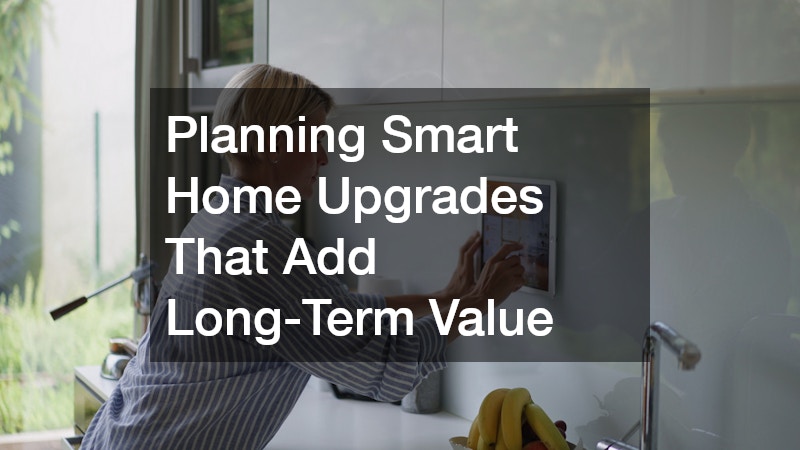
Planning Smart Home Upgrades That Add Long-Term Value
Planning smart home upgrades isn’t just about making a space look better—it’s about making decisions that hold up over time, support daily living, and protect your investment. Too often, homeowners pour money into trendy finishes or rushed renovations, only to realize later that those upgrades don’t age well or fail to address deeper issues. True long-term value comes from strategy, sequencing, and understanding how different improvements work together.
Homes that gain value steadily tend to share a few common traits: they are well-protected from the elements, built with durable materials, easy to maintain, and flexible enough to adapt to changing needs. Whether you plan to stay for decades or sell in the future, approaching upgrades with a long-term mindset helps ensure your efforts pay off. The following sections break down how to prioritize improvements that matter most, reduce wasted effort, and create lasting value.
Start With Improvements That Protect the Home’s Structure
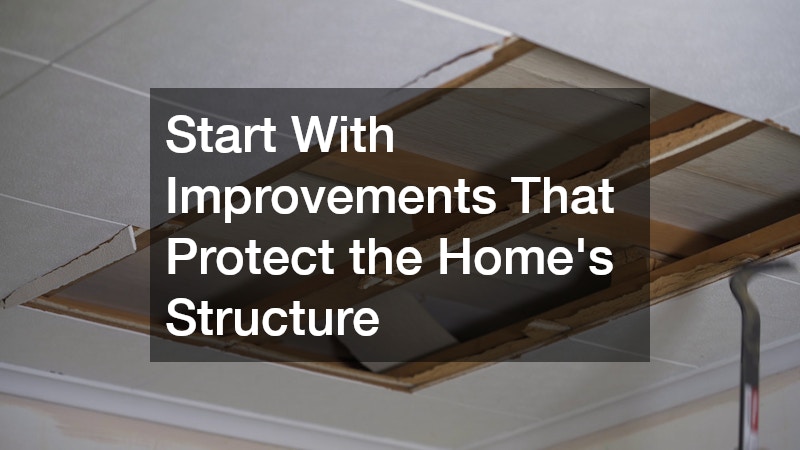
Before investing in interior upgrades, it’s essential to focus on improvements that protect the home itself. Structural elements may not grab attention the way kitchens, flooring, or finishes do, but they quietly support every other improvement you make. When these components are overlooked, even high-end interior upgrades can suffer damage, lose value, or require costly rework. Long-term value depends on ensuring the home can withstand weather, moisture, and time before aesthetic changes are introduced.
The roof plays a critical role in protecting everything beneath it. A well-timed roof replacement can prevent water intrusion, insulation damage, and structural decay that often develop slowly and remain hidden until repairs become extensive. Minor leaks can travel along framing or insulation, damaging areas far from their original entry point. Over time, this moisture weakens materials, promotes mold growth, and compromises the integrity of walls and ceilings.
Aging roofs may still appear functional from the ground, but they can fall short during heavy rain, wind, or snow. They may also fail modern inspection standards, which can delay sales or complicate insurance coverage. Addressing roof issues proactively reduces the likelihood of emergency repairs and protects any interior work completed afterward.
Working with a residential roofing company early in the planning process helps homeowners gain a clear understanding of their roof’s current condition. Experienced professionals can identify subtle issues such as deteriorating flashing, ventilation problems, or worn underlayment that aren’t obvious to the untrained eye. This insight allows homeowners to plan upgrades strategically rather than reacting to unexpected failures.
This proactive approach prevents scenarios where new ceilings, walls, or flooring must be removed to address preventable leaks. It also allows roofing work to be scheduled efficiently, avoiding disruption to interior renovations and reducing the overall project timeline.
Structural-first planning typically involves:
- Evaluating the condition of exterior protection systems to identify weak points
- Addressing water intrusion risks before interior renovations begin
- Aligning major protective upgrades with long-term plans for the home
By stabilizing the home’s envelope first, every subsequent upgrade benefits from a safer, more durable foundation. This approach ensures that interior improvements are protected, investments last longer, and homeowners avoid the frustration of repairing the same area twice.
Choose Durable Materials That Reduce Future Maintenance
Once the structure is secure, the next step is selecting materials that hold up over time. Long-term value isn’t just about appearance—it’s about how often something needs to be repaired, refinished, or replaced. Materials that wear out quickly can create ongoing maintenance cycles that cost time, money, and disruption. Durable materials, on the other hand, reduce maintenance costs, minimize interruptions to daily life, and tend to age more gracefully as the home evolves.
In roofing systems, longevity plays a major role in overall value. Materials such as metal roofing often last significantly longer than traditional alternatives, reducing the frequency of replacement and the cumulative cost over decades. These systems are designed to withstand extreme weather, resist corrosion, and maintain structural integrity longer than many conventional options. While the initial investment may be higher, the extended lifespan and reduced maintenance demands often lead to lower total ownership costs.
Durable roofing materials also support consistency. Homeowners are less likely to face emergency repairs or sudden failures, which can disrupt other upgrades and lead to unexpected expenses. Over time, fewer replacements also mean less material waste and fewer installation-related disruptions.
Interior surfaces benefit from the same durability-first mindset. High-traffic areas, garages, and utility spaces are ideal candidates for durable finishes like epoxy floor systems. These surfaces resist moisture, staining, chemical exposure, and abrasion far better than standard coatings or unfinished concrete. As a result, they maintain their appearance and functionality even under heavy use.
Durable interior finishes also reduce the need for frequent touch-ups or refinishing. This is especially valuable in spaces where wear is unavoidable, such as workshops, storage areas, or entry points. A surface that holds up under daily use preserves both aesthetics and function without ongoing upkeep.
When choosing materials, homeowners should consider:
- Expected lifespan versus upfront cost to understand true long-term value
- Maintenance requirements over time, and the effort involved in upkeep
- How materials perform under daily wear, moisture exposure, and temperature changes
Durability-focused decisions may not always be the flashiest, but they consistently outperform short-lived trends when measured over years instead of months. By accounting for longevity and performance, homeowners make upgrades that continue to add value long after the initial installation.
Improve Functional Spaces That Buyers and Owners Value

Not all upgrades deliver equal value. Improvements that enhance how a home functions day to day often provide greater long-term returns than purely decorative changes. While visual appeal can influence first impressions, usability determines how well a home supports daily routines over time. Features like efficient storage, durable work surfaces, and adaptable layouts often have a bigger impact on long-term satisfaction and resale value than finishes chosen purely for style.
Kitchens are a prime example of this balance between function and appearance. Thoughtful countertop installation improves usability, durability, and visual appeal in one of the most heavily used spaces in the home. Countertops experience constant exposure to heat, moisture, cutting, and spills, making material choice critical. Surfaces that resist staining, scratching, and thermal damage maintain their appearance longer and reduce the need for repair or replacement.
Functional kitchen upgrades also support changing household needs. A well-planned surface layout improves workflow, accommodates modern appliances, and supports both everyday use and occasional entertaining. When countertops are chosen for performance as well as appearance, the kitchen remains practical and appealing long after design trends shift.
Outside the main living area, additional structures can also contribute significant value when planned correctly. A custom pole barn, for instance, can add versatile storage or workspace without disrupting the primary home layout. These structures are particularly valuable because they separate utility functions from living areas, reducing clutter and increasing usable interior space.
When designed with flexibility in mind, a custom pole barn can serve multiple purposes over time. What begins as storage for tools or equipment can later become a workshop, hobby area, or even a flexible work space. This adaptability increases long-term usefulness and broadens appeal to future owners with different needs.
Functional upgrades tend to focus on:
- Enhancing everyday usability through thoughtful layout and durable materials
- Adding adaptable spaces that can evolve as needs change
- Avoiding overly niche customization that limits future flexibility
Homes that work well for daily life tend to appeal to a broader audience and retain value more consistently. By prioritizing functionality alongside aesthetics, homeowners create spaces that remain relevant, efficient, and desirable for years to come.
Manage Renovation Logistics to Reduce Cost and Disruption
Even the best upgrade plans can lose value if the renovation process itself is poorly managed. When logistics are treated as an afterthought, projects often run longer than expected, materials get damaged, and costs creep upward in small but significant ways. Disorganization can also lead to repeated work, as finished areas are disturbed to address issues that should have been handled earlier. Strategic logistics planning helps avoid these pitfalls by creating structure, predictability, and efficiency throughout the renovation.
Large renovations often require temporarily clearing spaces so work can be completed safely and efficiently. Coordinating with a moving company allows furniture, appliances, and personal belongings to be stored securely, reducing the risk of damage from dust, debris, or accidental impact. Clearing rooms also gives contractors unobstructed access, which speeds up work and minimizes mistakes caused by cramped or cluttered conditions.
Clear work zones improve more than just efficiency—they also support better workmanship. When contractors have room to maneuver tools and materials, they can complete tasks more accurately and with fewer interruptions. This reduces the likelihood of errors that lead to rework or compromised finishes later in the project.
Material removal also deserves careful planning. Transporting old fixtures, metal, or building materials to a scrap yard keeps waste out of landfills and can offset disposal costs. Many renovation materials still have recycling or reuse value, and separating them early prevents contamination that makes recycling impossible. Responsible removal ensures that salvageable materials are reused or recycled rather than discarded unnecessarily, reducing both environmental impact and hauling expenses.
Effective renovation logistics include:
- Staging projects to avoid overlap and rework between different trades
- Protecting finished areas during construction with barriers and coverings
- Planning material removal responsibly to reduce waste and unnecessary handling
Well-managed projects finish faster, cost less, and preserve the quality of completed work. When logistics are handled with the same care as design and material selection, renovations stay on schedule, budgets remain intact, and the final results reflect the full value of the upgrades made.
Prepare the Home for Market Value and First Impressions
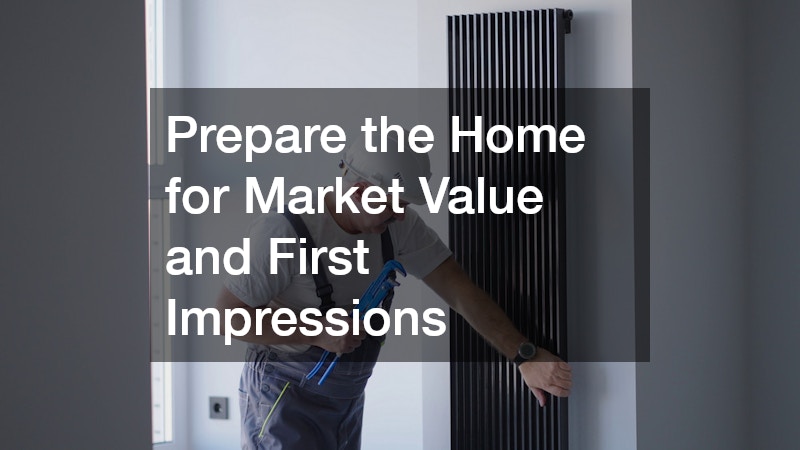
Whether selling soon or years down the line, smart upgrades consider how the home will be perceived by others. Even homeowners who plan to stay long-term benefit from thinking ahead, as market perception often reflects overall home quality and maintenance. First impressions matter because buyers form opinions within moments of arriving at a property, and those early judgments can influence how they evaluate everything that follows.
Relatively simple exterior improvements can significantly impact perceived value. Routine exterior cleaning through a local pressure washing service can refresh siding, walkways, and driveways, making the home look well cared for without major investment. Built-up dirt, algae, or staining can make even structurally sound surfaces appear aged or neglected. Removing that buildup restores original color and texture, helping the home appear newer and better maintained.
Clean exterior surfaces also provide subtle reassurance. Buyers often interpret cleanliness as a sign that routine maintenance has been handled responsibly, which can reduce concerns about hidden issues. When a home looks cared for on the outside, it sets a positive tone before anyone steps indoors.
Understanding market expectations is equally important when planning upgrades. Consulting with realtors gives homeowners insight into what buyers in their area value most and which improvements are likely to influence pricing or time on market. This guidance helps prevent over-investing in features that may not resonate with local buyers or under-investing in areas that are closely scrutinized during showings and inspections.
Market awareness also helps homeowners balance personal enjoyment with resale potential. Some upgrades may be personally appealing but offer limited return, while others may not be exciting but consistently support stronger valuations. Knowing the difference allows for smarter decision-making over time.
Market-focused preparation often involves:
- Enhancing curb appeal without over-improving beyond neighborhood norms
- Addressing visible wear that detracts from value or raises buyer concerns
- Timing upgrades to align with listing plans or appraisal milestones
Homes that present well and meet buyer expectations tend to sell faster and retain stronger value. Thoughtful exterior care and market-informed upgrades help ensure that improvements contribute meaningfully to long-term home value rather than becoming missed opportunities.
Planning smart home upgrades is ultimately about patience and perspective. When improvements are chosen for durability, functionality, and long-term performance, they build on each other instead of competing for attention. By focusing on protection first, selecting materials that last, improving how spaces function, and managing the renovation process carefully, homeowners can create lasting value that extends far beyond trends or quick fixes.