The Landlords Ultimate Guide to Preventing High-Cost Emergency Repairs
Every experienced real estate investor eventually learns that the most expensive words in property management are, “It was working fine yesterday, and now there is water pouring through the ceiling.” Emergency repairs are the quiet killers of rental yield. Beyond the sheer shock of a midnight repair bill, emergency callouts routinely carry surcharges that double or triple standard labor rates. Worse, a sudden mechanical failure or structural leak rarely affects just one thing. A burst pipe damages drywall, warps flooring, ruins tenant belongings, and opens up liability for temporary housing costs.
The difference between a stressed-out landlord constantly putting out fires and an investor enjoying predictable cash flow comes down to a shift in mindset. You have to move away from reactive troubleshooting and embrace proactive asset preservation. Most major property catastrophes give subtle warnings long before they turn into full-blown disasters. By building a systematic approach to routine inspections and preventative care, you can catch small, inexpensive issues while they are still small, keeping your budget intact and your tenants satisfied.
Protecting Core Utility Networks From Catastrophic Failure
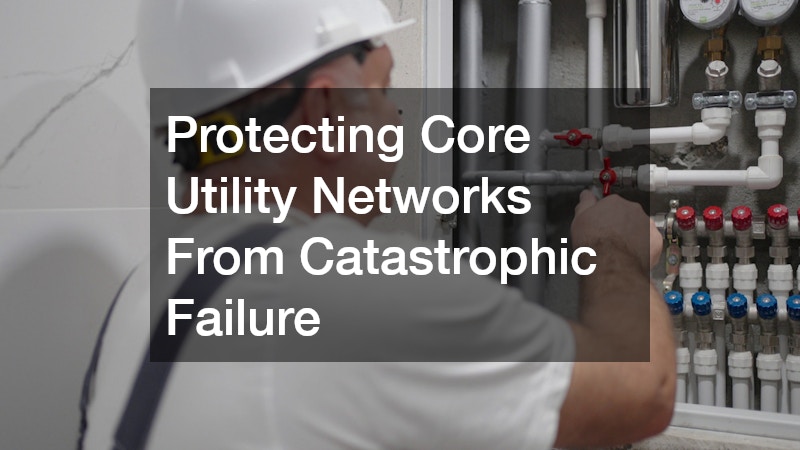
Electrical and plumbing networks run silently behind your walls, which makes them easy to ignore until something goes wrong. When these core systems fail, the financial consequences are rarely minor. Preventative care in this area focuses on identifying hidden strains, aging components, and unsafe modifications made by previous occupants.
A smart place to start is your electrical panel. Outdated panels or poorly installed breakers are leading causes of residential fires, yet they often show no obvious signs of trouble until an outlet sparks or a circuit repeatedly trips. Bringing in a certified electrician to conduct a comprehensive system audit every couple of years can prevent devastating losses. These professionals inspect breaker tension, check for loose neutral wires, verify proper grounding, and ensure that high-draw appliances are operating on dedicated circuits. They can also identify aluminum wiring or ungrounded two-prong outlets in older properties, allowing you to plan upgrades strategically rather than dealing with an emergency shutdown after a tenant plugs in a heavy-duty portable heater.
On the plumbing side, underground utility issues represent some of the most expensive emergency calls a property owner will ever face. Sewer backups are messy, health hazards, and universally hated by tenants. If your property relies on old clay or cast-iron lines, tree roots can slowly invade line joints, catching grease and debris until the entire system backs up into the lowest drains of the home. When a line completely collapses, dealing with local sewer repairs can require digging up lawns, driveways, or even city streets, running up bills well into the thousands. Identifying slow drains early and scheduling periodic main-line scope inspections allows you to spot hairline cracks or root intrusions while trenchless relining options are still viable.
Fortifying the Exterior Shell and Roof Infrastructure
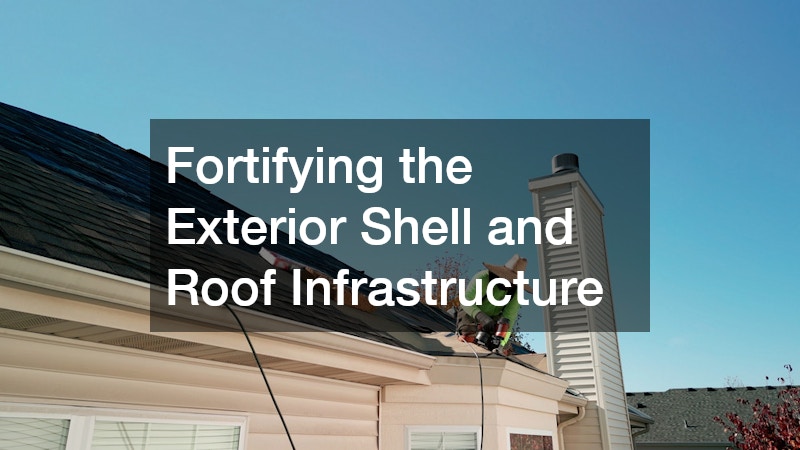
Your building envelope is its primary defense against nature. Moisture is an insidious enemy; once water breaches the outer shell, it quietly rots framing lumber, ruins insulation, and creates ideal conditions for toxic mold.
Roofing requires a two-pronged strategy: regular visual assessments and immediate containment of minor wear. Rather than waiting for a dark stain to appear on a top-floor bedroom ceiling, walk the property every spring and fall with a set of binoculars—or hire a professional for a hands-on check if you have a multi-story layout. Look for curling shingles, rusted flashing around chimneys, and deteriorated rubber boots around plumbing vent stacks. Promptly addressing minor roof repair needs, such as replacing a handful of wind-damaged shingles or resealing a cracked pipe boot, costs a fraction of an emergency tarping service during a rainstorm. Pay equal attention to your gutters and downspouts. When gutters clog with leaves, water pools along the roof edge, backing up under the shingles and eventually rotting the fascia boards.
To ensure your roofing and drainage systems stay in top condition, focus on five key tasks during your seasonal walk-throughs:
- Inspect shingles for curling, cracking, or missing sections.
- Check chimney flashing and sealant around vent stacks.
- Clear gutters and downspouts of all organic debris.
- Ensure downspouts extend at least 3-5 feet from the foundation.
- Audit perimeter fencing for rot, loose posts, or latch failures.
Exterior boundaries and structural enclosures need similar care. A decaying timber fence might seem like a minor cosmetic concern, but during a strong windstorm, a collapsed panel can smash into a neighbor’s vehicle or create an immediate security hazard for tenants with pets. Partnering with a skilled fence contractor to replace rotting support posts, re-nail loose pickets, and apply protective sealant every few years keeps the boundary secure and prevents complete system failure during severe weather.
Optimizing Climate Control and Internal Mechanical Systems
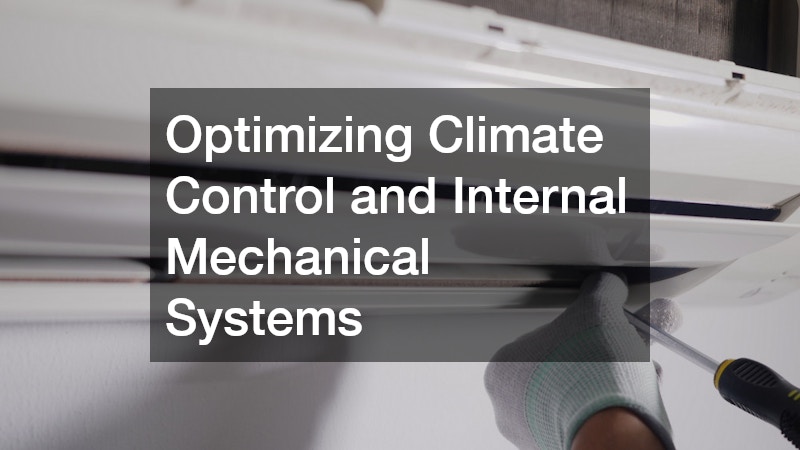
Heating and cooling systems work harder than almost any other asset in a rental property. When an HVAC unit dies in the middle of a July heatwave or a freezing January night, you face double trouble: frantic, premium-rate service calls and furious tenants demanding hotel compensation.
The key to keeping these systems alive is strict adherence to routine maintenance schedules. Neglect is the primary reason compressors fail prematurely. Airflow restrictions caused by dirty filters force the blower motor to work twice as hard, raising internal temperatures and straining electrical components. While you can write filter changes into the lease, relying entirely on tenants to buy and swap them out every ninety days is a gamble. Consider delivering filters directly to the doorstep or scheduling bi-annual site visits to change them yourself.
- Inspect and clear the outdoor condenser pad of leaves and overgrown brush.
- Wash the exterior coils gently with a hose to remove built-in grime.
- Pour a cup of white vinegar down the indoor condensate drain line to kill algae.
- Replace the air filter with a high-efficiency MERV-rated model.
- Test the thermostat calibration to verify cycle times and temperature accuracy.
When systems do show signs of strain, don’t wait for total collapse. Partnering with reliable air conditioner maintenance companies ensures that refrigerant levels are topped off, electrical connections are tightened, and condensate lines are flushed before peak season hits. A drain line clogged with algae can back up into the indoor air handler, overflowing the drip pan and sending gallons of water crashing through the floorboards below. If a unit starts making unusual grinding noises or struggles to maintain set temperatures during mild weather, arranging for timely ac repair eliminates the risk of complete mechanical burnout when the system is under maximum load.
Securing Subsurface Drainage and Plumbing Vulnerabilities
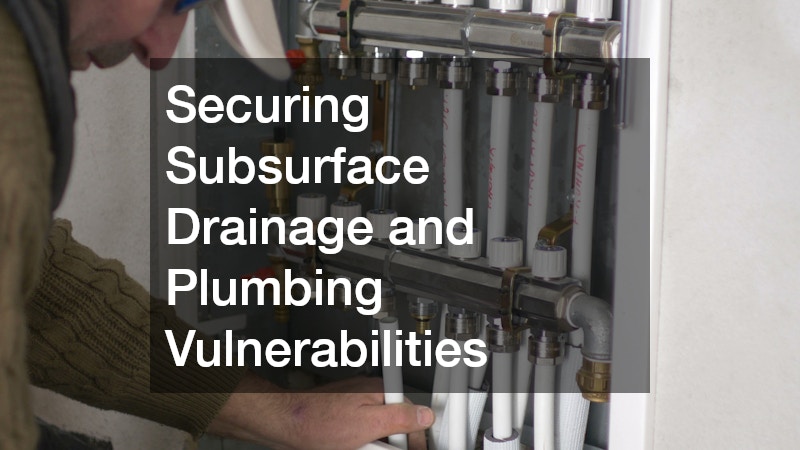
Water belongs inside pipes, not under your foundation or pooling in your yard. Subsurface drainage failures often go unnoticed because they happen out of sight, but their cumulative effect can ruin foundations, wash away landscaping, and flood basements.
A major source of subsurface water issues comes from poorly managed irrigation systems. Underground sprinkler lines are subject to freeze-thaw cycles, lawnmower strikes, and root pressure. A cracked lateral line or a broken sprinkler head might not seem urgent, but over weeks of automated watering cycles, it can pump thousands of gallons of excess water directly against your foundation walls. Establishing a routine for sprinkler maintenance—which includes blowing out the lines before the winter freeze and checking each zone for head damage in the spring—keeps moisture levels around the structure balanced and prevents basement seepage.
When dealing with slow-draining sinks, gurgling toilets, or sewer odors in the home, the root cause is frequently organic build-up, grease accumulation, or initial root intrusion in the main line. The best action plan is to schedule preventative sewer line cleaning to clear the pipe interior before a complete blockage occurs. Moving forward, install drain strainers and educate tenants on non-flushable items to avoid future backups.
Inside the plumbing network, main drain lines bear the burden of everything tenants wash down the sinks and flush down the toilets. Over time, hair, soap scum, and cooking grease narrow the internal diameter of the pipe. If you wait until the line is completely blocked, you will be paying after-hours rates to clear a flooded bathroom. Scheduling periodic hydro-jetting strips away built-up grease and scales the pipe walls clean. Paired with tenant education on what cannot go down the drain—specifically wipes, paper towels, and grease—this simple preventative step eliminates almost all routine main-line blockages.
Elevating Outdoor Living Spaces and Surface Integrity
Outdoor amenities increase property appeal and allow you to command higher rent, but they also introduce extra maintenance responsibilities. Decks, patios, and outdoor structures suffer constant exposure to the elements, making them vulnerable to structural degradation if left unchecked.
Overhead shading structures, for instance, offer great outdoor usability, but they catch heavy winds and collect water if they are not maintained properly. Inspecting mechanical arms, mounting brackets, and fabric integrity on retractable awnings ensures they function smoothly and stay firmly anchored to the building envelope. A loose mounting bracket can pull away from the siding during a sudden gust of wind, tearing off exterior trim and letting rainwater seep directly into the wall framing.
A thorough exterior living space audit should cover both overhead components and ground surfaces:
- Overhead Components: Test awning motors, check wall anchor bolts, and inspect fabric for tears.
- Ground Surfaces: Sand down high spots on wooden decking, fill subfloor gaps, and replace damaged planks.
On the ground level, high-foot-traffic surfaces inside and outside the home require prompt attention whenever damage appears. Small issues like a cupping deck plank, a chipped tile, or a warped floorboard inside the entry hallway are easy to dismiss as cosmetic flaws. However, damaged flooring creates trip hazards that expose you to liability, and broken floor seals let water seep into the subfloor every time a tenant mops or tracks in rain. Handling prompt flooring repair seals out moisture, stabilizes the walking surface, and prevents the need to tear out entire subfloors down the road.
Building a Capital Reserve and Vendor Network
Preventative physical maintenance is only half the equation; financial and operational readiness forms the other half. Even with the best maintenance plan in the world, components eventually reach the end of their functional lifespan. The goal is to make sure that when a replacement is needed, it is a planned, budgeted event rather than an operational crisis.
Start by setting up a dedicated capital expenditure reserve account. A good rule of thumb is to allocate between ten and fifteen percent of your gross monthly rental income directly into this account. Having cash available means you will never be forced to choose cheap, temporary patches over proper, long-term repairs.
Simultaneously, build relationships with core trade contractors long before you actually need them. Cold-calling contractors on a holiday weekend when water is leaking through a ceiling guarantees you will pay top dollar for whoever happens to pick up the phone. Instead, interview tradespeople during slow seasons. Ask about their emergency rates, their typical response times, and whether they offer preferred service agreements for property managers. When vendors know you are an organized owner who pays invoices on time, they are far more likely to prioritize your emergency calls and offer fair pricing.
A strong vendor relationship strategy includes several key practices:
- Pre-screen tradespeople during non-peak business months.
- Establish clear service level expectations and emergency call-out fees.
- Maintain a centralized digital portfolio of all appliance serial numbers and warranty details.
- Keep detailed logs of all past service visits and component install dates.
Maintaining a profitable investment property requires viewing maintenance not as an annoying expense, but as an essential strategy for protecting your capital. Emergency repairs will always cost more than routine checkups—not just in money, but in lost time, elevated stress, and damaged relationships with your tenants. By systematically checking your core utilities, keeping moisture out of the building envelope, servicing heating and cooling units, and tending to outdoor structures, you turn chaotic surprise costs into predictable, manageable operating expenses.
Take a long-term view of your portfolio. Build relationships with trusted tradespeople, establish a healthy cash reserve, and execute seasonal inspections with consistency. When you take control of your property’s maintenance schedule, you protect your cash flow, preserve your asset’s market value, and secure the long-term returns that real estate investing is meant to deliver.