
Why Your Renovated Kitchen Still Feels Wrong a Year Later
You spent months planning, thousands of dollars, and countless hours choosing finishes, and yet something about your renovated kitchen still feels off. Maybe the layout looks right in photos but feels clunky when you cook, or maybe small mechanical annoyances have crept in that no one warned you about. This is a more common experience than most homeowners realize, and it usually comes down to a handful of overlooked details rather than one big mistake. Understanding the real causes can help you figure out what to fix now, and what to do differently next time.
The Layout Looked Good on Paper But Not in Practice

A kitchen can be visually stunning and still function poorly if the work triangle between the sink, stove, and refrigerator was not properly tested before construction began. Many homeowners approve floor plans based on 2D drawings without walking through the actual movement patterns they use daily. This disconnect often shows up a year later as constant minor frustrations, like a dishwasher door that blocks the main walkway or a pantry that is just out of reach from the prep zone.
If your kitchen still feels wrong, it may be worth revisiting the original layout decisions with a fresh eye. Sometimes the issue is not the design itself but how it was executed during construction. In these cases, consulting professional kitchen remodeling services can help pinpoint whether the fix requires minor adjustments or a more thorough reworking of the original plan.
- Measure your actual daily movement patterns, not just the blueprint distances
- Check whether appliance doors overlap walkways or cabinet doors
- Notice if counter space near the stove is sufficient for active cooking
- Identify pinch points where two people cannot comfortably pass
Appliances That Never Quite Performed as Promised
Sometimes the discomfort in a renovated kitchen is not about design at all but about equipment that has slowly started underperforming. A range that does not heat evenly, a refrigerator compressor that runs louder than expected, or a vent hood that never quite clears smoke are common complaints that surface after the first year of regular use. Homeowners often notice these problems gradually, adjusting their cooking habits or ignoring the noise until it becomes too obtrusive to overlook.
These issues are often written off as normal wear, but they usually point to installation problems or manufacturing defects that need professional attention. A gas range with uneven flames may simply need its burner ports cleaned or recalibrated, while an electric range with hot spots could have a faulty heating element that was never tested properly at install. Refrigerators that hum or vibrate excessively often have leveling feet that were not adjusted correctly, causing the compressor to work harder than it should on an uneven floor.
Ventilation problems are especially common because contractors sometimes install hoods with insufficient CFM ratings for the kitchen’s size, or vent ducting that takes too many sharp turns to exhaust air efficiently. A hood rated for 400 CFM may be inadequate for a kitchen with a large gas range producing significant heat and grease, leading to lingering odors and smoke months after installation. Checking the manufacturer’s recommended CFM against your actual cooking setup can reveal whether the equipment was mismatched from the start.
Warranty periods typically range from one to five years depending on the appliance and manufacturer, so problems appearing around the twelve-month mark are often still covered if documented promptly. Keeping installation records, model numbers, and service dates on hand makes it easier to determine whether a persistent issue is a defect, an installation error, or simply a maintenance need that was overlooked.
Before assuming you simply chose the wrong appliances, it is worth having a technician evaluate whether they were installed and calibrated correctly. A range that runs hot, a dishwasher that leaves spots, or a refrigerator that cycles too often are frequently signs of improper leveling, faulty venting, or incorrect electrical connections rather than defective units. These issues rarely announce themselves clearly, so they get blamed on the appliance instead of the installation.
Reliable kitchen equipment repairs can often resolve issues that feel like design flaws but are actually mechanical ones. A technician might discover that your oven’s temperature sensor was never calibrated after installation, causing consistent baking problems that no amount of recipe adjustment can fix. Similarly, a range hood that seems underpowered may simply be vented incorrectly, restricting airflow and making an otherwise capable unit feel inadequate.
It is also worth checking whether appliances were matched to your kitchen’s electrical and gas capacity in the first place. Undersized circuits or low water pressure lines can quietly sabotage performance in ways that mimic poor product quality. A quick load assessment during a service visit can rule this out before you spend money replacing something that was never actually broken.
Catching these problems early prevents small annoyances from turning into costly replacements down the road. What starts as a minor calibration issue can, if ignored for a year or more, lead to premature wear on motors, compressors, or heating elements. A single service call, often costing far less than a new appliance, can restore performance and confirm whether the original purchase was actually the right one all along.
Ventilation Problems Hiding Behind the Cabinets
One of the most overlooked culprits behind a kitchen that feels wrong is poor air quality. If your renovation included a new range hood or exhaust system, buildup inside the ductwork can reduce airflow within months, especially if the installation did not account for proper venting length or duct diameter. This often results in lingering cooking odors, grease residue on nearby cabinets, and a general sense that the room never feels fresh.
Routine kitchen exhaust cleaning is one of the simplest ways to restore the performance your system had on day one. Grease and debris accumulate faster than most homeowners expect, particularly in households that cook frequently with oil or high heat. A professional cleaning can also reveal whether the ductwork was sized correctly during the renovation, which is a detail that is easy to miss during the original installation.
Countertop Choices That Are Not Holding Up

Countertops are one of the most visible parts of any kitchen renovation, and they are also one of the most common sources of regret. Some materials that looked perfect in a showroom sample can behave very differently once exposed to daily cooking, heat, and moisture. Staining, dulling, or hairline cracking within the first year often signals that the material was not the right match for the household’s cooking habits.
If your countertops are showing unexpected wear, professional countertop services can assess whether the issue is due to the material itself or improper sealing during installation. Many natural stone surfaces need periodic resealing that homeowners are not told about at the time of purchase. Understanding the maintenance requirements of your specific countertop material can prevent ongoing frustration and help you decide whether a repair or replacement makes more sense.
Plumbing Adjustments That Were Rushed During Construction
Kitchens involve more plumbing changes than most people anticipate, especially when a sink, dishwasher, or refrigerator line is relocated during a remodel. Moving a sink even a few feet often means rerouting supply lines and drain pipes, adjusting the slope of the drainage run, or tying into vent stacks that weren’t designed for the new layout. When contractors are working under tight deadlines, these connections sometimes get patched together in ways that technically pass inspection but aren’t optimized for long-term performance.
Rushed rerouting can lead to weak water pressure, slow drainage, or unusual noises in the pipes that were not present before the renovation. A gurgling sound when the dishwasher drains, for instance, often points to a venting issue rather than a clogged pipe. Similarly, a drain line with insufficient slope, less than the standard quarter-inch per foot, can cause water to sit and slowly back up over time.
These issues tend to worsen gradually, which is why they often go unnoticed until months after the project is finished. A slightly undersized drain line might work fine for a single dish load but start backing up once the household returns to normal daily use. Loose pipe strapping can also cause banging or “water hammer” sounds that only become noticeable after the walls have settled and ambient construction noise is gone.
Homeowners who notice any of these signs should have a plumber inspect the connections behind the cabinetry rather than assuming the problem will resolve itself. In many cases, the fix is minor, such as adding an air admittance valve or re-sloping a short section of pipe, but catching it early can prevent water damage to cabinets and flooring down the line.
A kitchen renovation involves disconnecting and reconnecting water lines, drain pipes, and often relocating fixtures like the sink or dishwasher entirely. During this process, debris such as solder scraps, pipe shavings, and drywall dust can easily find its way into the plumbing system without anyone noticing. If you’re dealing with recurring clogs or unusually slow drains a year later, this leftover construction debris is a common culprit, and professional drain cleaning services can clear these blockages before they cause bigger problems.
Slow drainage isn’t always about debris, though. Sometimes the pipe itself was installed with the wrong pitch, which should typically fall about a quarter inch per foot to keep water and waste moving properly toward the main line. When that slope is off, even a tiny amount, water can pool inside the pipe, leading to sediment buildup, unpleasant odors, and repeated backups no matter how often you clean the drain.
There’s also the question of whether connections were made correctly during the rush to finish the project on schedule. Loose slip joints, mismatched pipe fittings, or improperly sealed connections under the sink may not show obvious symptoms right away but can lead to slow leaks over time. Experienced plumbing companies can inspect these connections, check the pitch with a level, and run a camera scope through the line if needed to diagnose exactly where the problem originates.
Catching these issues now rather than later matters, because water damage from a hidden leak can silently rot cabinetry, warp flooring, and encourage mold growth long before you see a visible stain. Addressing these plumbing shortcuts early protects your new fixtures, preserves the investment you made in custom cabinetry, and saves you from a far more expensive repair down the road.
Electrical and Safety Systems That Were an Afterthought
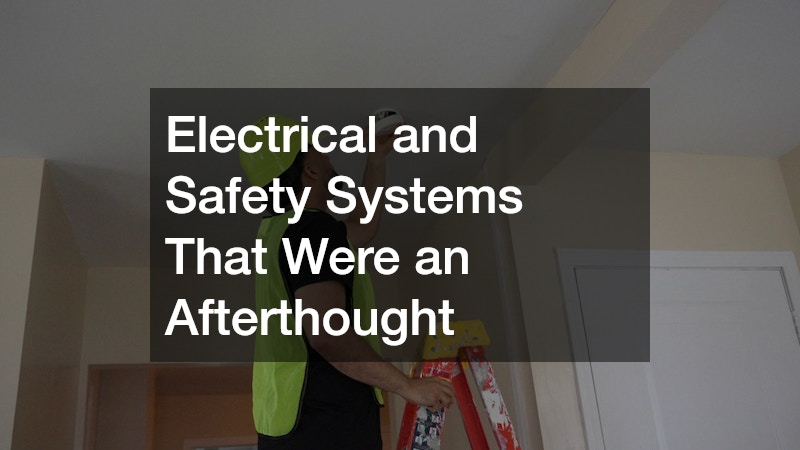
A newly renovated kitchen often adds more appliances and outlets than the original electrical system was designed to support. This can lead to tripped breakers, flickering lights, or inconsistent power to high-draw appliances like microwaves and ovens. These problems are frequently the result of contractors prioritizing aesthetics over infrastructure during the planning phase.
Kitchen safety should extend beyond outlets and wiring to include proper smoke and heat detection, especially in kitchens with open-concept layouts near living spaces. Consulting with fire alarm companies during a renovation ensures that detection devices are placed correctly for the new layout and airflow patterns. This is a step that is easy to overlook when the focus is on countertops and cabinetry rather than long-term safety.
Outdoor Cooking Spaces That Never Got Finished Right
For homeowners who expanded their renovation to include an outdoor kitchen, a full year of use often reveals problems that were not obvious during construction. Uneven grading beneath outdoor cabinetry, insufficient weatherproofing, or gas lines that were not properly pressure-tested can all surface as safety or performance issues over time. These spaces face far more environmental stress than indoor kitchens, so shortcuts during installation tend to show up quickly.
Working with an experienced outdoor kitchen contractor can help identify whether your setup was built to withstand real seasonal conditions in your area. Many issues stem from using indoor-grade materials outdoors, which deteriorate much faster under sun and moisture exposure. A proper evaluation can determine whether repairs are enough or whether certain elements need to be rebuilt entirely.
Contractor Communication Gaps That Created Lasting Issues

A surprising number of post-renovation complaints trace back not to materials or design, but to miscommunication during the construction process. When decisions are made verbally without follow-up documentation, small details can be lost or misinterpreted, leading to results that do not match what homeowners expected. This is especially common when multiple subcontractors are involved without a clear point of coordination.
Choosing experienced kitchen contractors who prioritize clear documentation and consistent updates can prevent many of these issues from happening in the first place. If your kitchen still feels wrong a year later, it may help to revisit your original contracts and change orders to identify where expectations diverged from execution. This information can also be useful if you decide to pursue corrective work with a different team.
Deciding Whether to Repair, Adjust, or Start Over
Once you have identified the specific sources of your kitchen’s ongoing problems, the next step is determining the right scope of correction. Some issues, like ventilation or plumbing adjustments, can be resolved with targeted repairs. Others, particularly layout or structural concerns, may require a more comprehensive second phase of work.
For larger corrective projects, partnering with a full-service home remodeling company can simplify the process by coordinating multiple trades under one plan. This is often more efficient than hiring separate specialists for each issue, especially when problems overlap, such as electrical and plumbing conflicts hidden behind the same wall. A qualified team can also help you weigh the difference between quick fixes and long-term investments before committing to another renovation phase.
- List every recurring issue you have noticed over the past year
- Separate cosmetic concerns from functional or safety-related ones
- Get at least two professional opinions before starting corrective work
- Prioritize fixes that affect daily use over purely aesthetic changes
Feeling unsettled in a kitchen you invested so much time and money into is frustrating, but it does not mean the space is beyond repair. Most issues, whether mechanical, structural, or simply due to poor planning, can be identified and corrected with the right professional guidance. Start by documenting exactly what feels wrong and when the problem occurs, then bring that information to specialists who can pinpoint the real cause. With a clear diagnosis, you can move forward with confidence instead of living with lingering regret.